

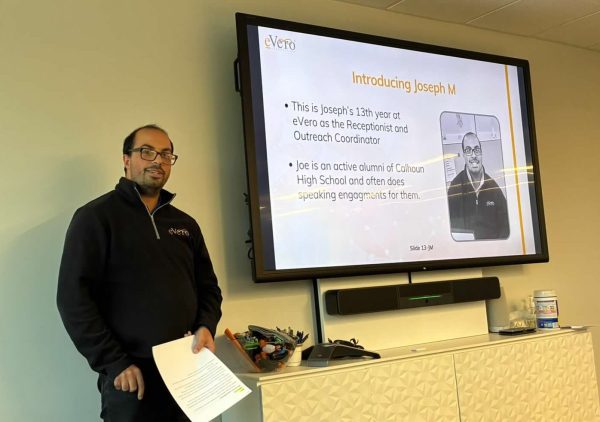
This marks the launch of a monthly blog series written by Joseph Malebranche, eVero’s Receptionist and Outreach Team member. In this and future posts, Joseph will share actionable advice and proven best practices to support job seekers as they search for opportunities and prepare for interviews.
If you’re looking for a job, chances are you’ll eventually be invited to an interview. This process can be both exciting and stressful. Being prepared can help you feel more confident and ready to make a great impression.
At eVero Outreach, we host Hire Me seminars for job seekers with intellectual and developmental disabilities (I/DD). During these seminars, we talk about the job search process, practice interview skills, and we share tips that can help people feel more comfortable and successful.
One of the most helpful tips we provide is an Interview Day Checklist. It may not sound exciting, but having a checklist can make a huge difference. Interviews can make anyone nervous. You might worry about forgetting something important, getting lost on the way there, or feeling anxious when you walk through the door. A checklist helps take some of that stress away so you can focus on showing an employer who you are and what you can bring to the job.
Some of the items we include on our Interview Day Checklist are:
- Confirm the location of the interview and how you will get there if it is in-person
- Confirm the interview link and what you will need to connect if remote
- Confirm the interviewer’s name and contact information so you know who you are looking for when you arrive
- Bring copies of your résumé
- Bring a list of references
- Bring a government-issued photo ID
- Bring a pen
- Ensure you have a watch or can keep time with your mobile phone
- Ensure your mobile phone is silenced when entering the interview
- Pack Mints or gum in case those are needed
Each item has a purpose. Having directions helps make sure you arrive on time. Keeping the interviewer’s contact information handy is helpful if you run into a delay or have a question. Bringing extra copies of your résumé shows that you’re organized and prepared. Even small things, like carrying a pen or freshening your breath with a mint, can help you feel more confident.
Preparation doesn’t stop with what you bring. It’s also important to think about how you present yourself. Try to arrive a few minutes early, dress appropriately for the position, be polite, and greet people with a smile. If you’re comfortable doing so, making eye contact can also help create a positive connection with your interviewer.
It is important that you display confidence when interviewing. Confidence comes from knowing you’ve prepared. When you’ve practiced, gathered everything you need, and planned ahead, it’s easier to walk into an interview feeling ready.
For many people with Intellectual and Developmental Disabilities, having a clear plan and structure can be very useful. An interview checklist helps the person stay organized, reduce anxiety, and focus on what really matters: talking about their skills, experiences, interests, and goals.
At the end of the day, an interview checklist is more than just a list of things to remember. It’s a tool that helps you feel ready and confident. Taking a few minutes to prepare before interview day can help you to be more successful. With a little preparation and the right mindset, you can do great things.
Stay tuned for the next post in this series, where we’ll share more tips to help you navigate the job search journey with confidence.